In 2016, an 11-year-old boy in Singapore jumped from the 17th floor after failing his exams. They called it suicide. But I’ve always wondered - was it really his choice? Or did performance anxiety push him over the edge?
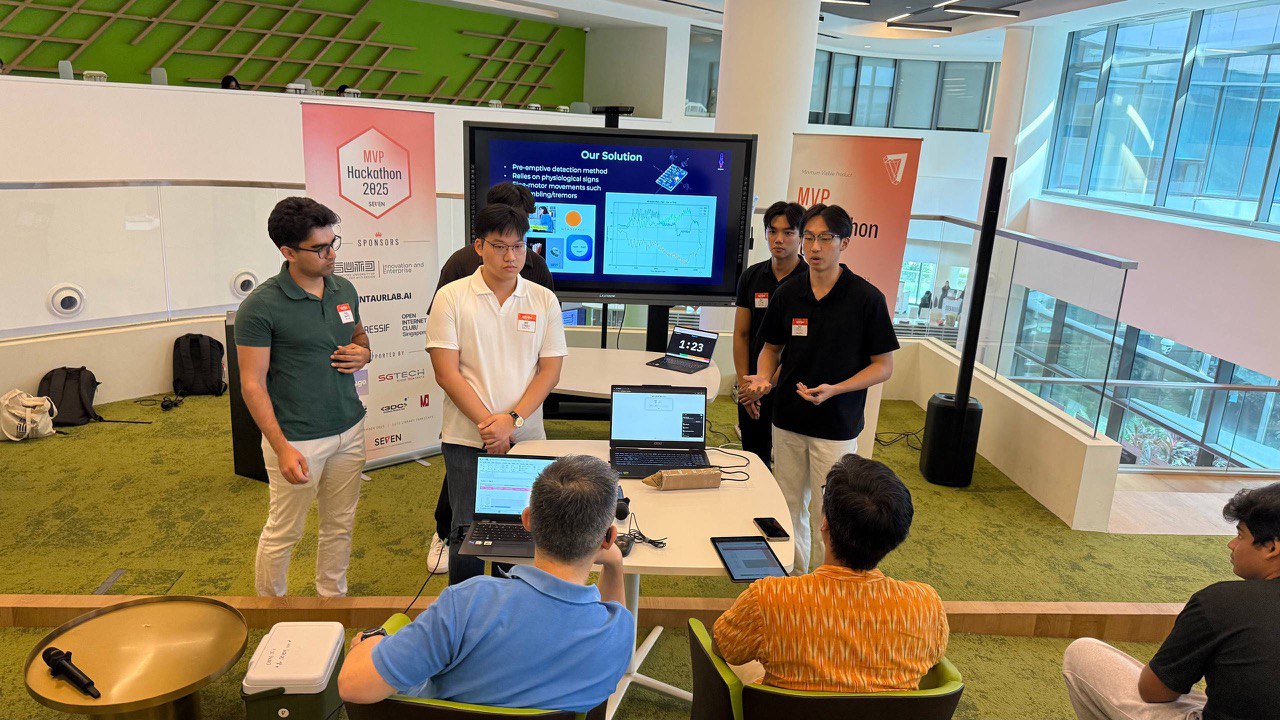
I couldn’t forget that story. Years later, it became the reason my team built what we did at the MVP Hackathon run by SUTD SEVEN.
The Challenge
The hackathon rules were simple:
- Pick a problem that mattered to you
- Make sure it was something you had actually lived through
As Year 1 students at SUTD, we didn’t have to look far. We had all survived the gauntlet - from PSLE to A-Levels, the whole Singapore education grind. We knew what exam anxiety felt like. The sweaty palms. The shaky hands. The fear of not being good enough.
So our problem statement practically chose itself:
Singapore has countless ways to measure academic performance. But almost nothing to detect when students are about to break.
What We Set Out To Do
We framed it as a “How Might We” under Social Impact Innovation:
How might we improve the detection of academic performance anxiety in students by providing tools to monitor, track, and support their psychological well-being?
This hit close to home. We had classmates who struggled in silence. Some of us had been there ourselves. What if there was a way to spot the warning signs early - before things spiraled?
The Idea
When we studied anxiety symptoms, one pattern stood out: tremors. Stress makes your hands shake. You can’t fake it. You can’t stop it.
At first, we considered tracking heart rate. But that felt too noisy - heartbeats spike for so many reasons: coffee, running, lack of sleep.
Then came the question: where do tremors show up most naturally during an exam?
While writing!
That’s how Inklytics was born - a pen with sensors that could detect high-frequency tremors, separating them from normal writing movements. A way to make the invisible visible.
Building It
For our MVP, we kept things simple.
We built a “pen” on a breadboard using an ESP32-S3 microcontroller hooked up to an MPU6050 accelerometer chip. The chip tracked movement on the x, y, and z axes, catching even the smallest shifts. We could then pull out the frequency of hand tremors - the telltale sign of performance anxiety.
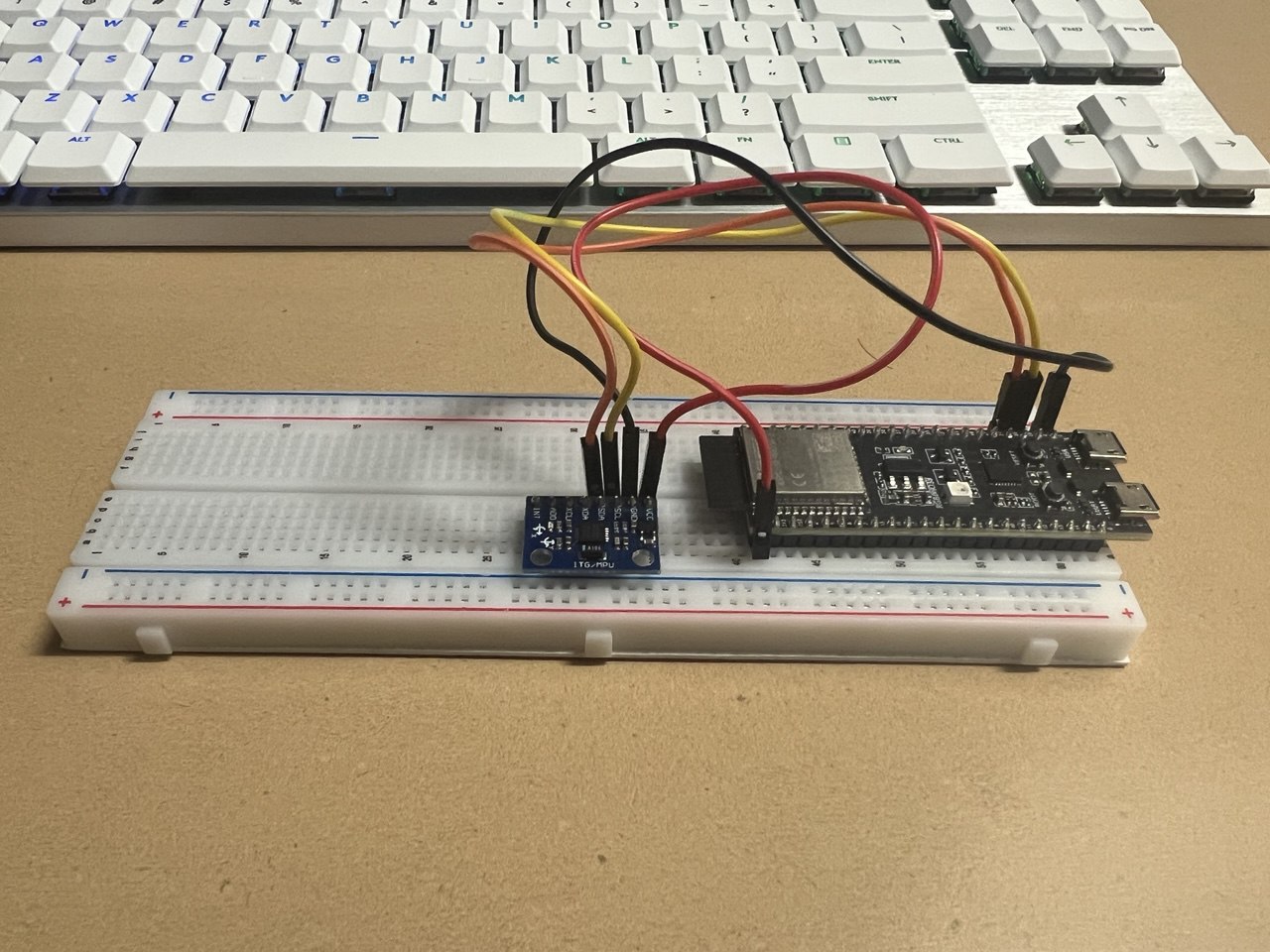
Since this was just a prototype, we didn’t bother with wireless yet. The breadboard connected straight to my laptop with a long wire snaking across the table.
For the software, we built a simple UI to start and stop recording. After each session, the data got saved as JSON files.
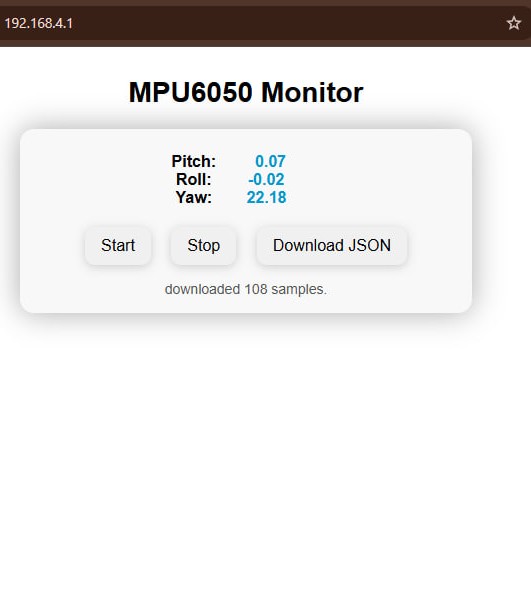
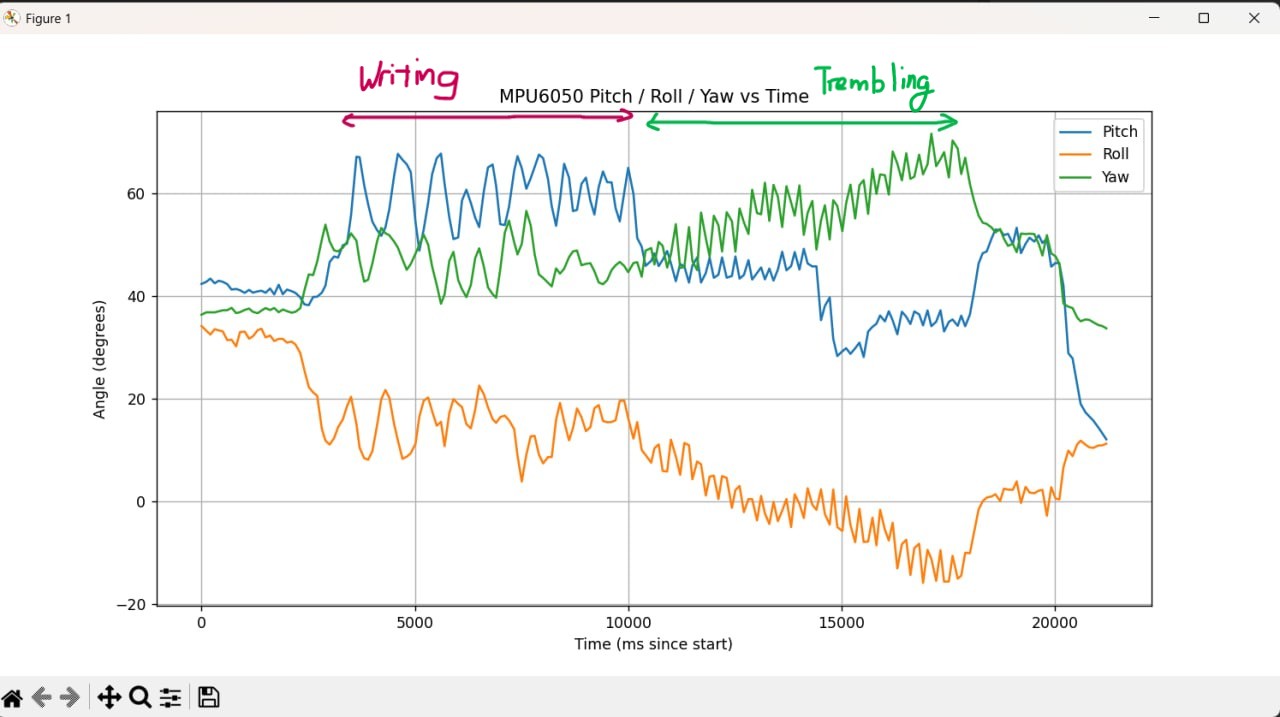
We then used Matplotlib to plot everything out. The graphs showed whether high-frequency tremors were present - helping us tell the difference between normal writing and actual anxiety.
Looking Back
We didn’t win. But honestly? I was still proud of what we pulled off.
The Inklytics prototype worked. The graphs clearly showed tremors. That alone proved our core idea was sound - that you actually could detect performance anxiety through writing movements.
We had tons of ideas for where to take it next:
- Moisture sensors on the pen grip to catch sweaty palms
- Pressure sensors to detect when someone grips way too tight
But the real learning came from the feedback. Our tech worked, but the business side needed more thought. If I could do it over, I’d dig deeper into the market:
- What types of schools would actually want this?
- Would parents pay for it?
- Could we sell to schools or tuition centers who’d then give it to students? Some kind of B2B2C model?
The hackathon taught me that building something that works is only half the battle. You also need to figure out how to get it into people’s hands - and why they’d want it there.
What I Took Away
Inklytics wasn’t just about solving performance anxiety. For me, it was about stepping into completely unfamiliar territory.
I came from pure software. Working with hardware, sensors, breadboards - all of it was new. Messy. Frustrating at times. But also really, really exciting.
This project cracked something open for me. It showed me what’s possible when you combine software and hardware. And it left me wanting to explore that space a lot more.
Related Articles
Attempting to Build an HTTP Server from Scratch (No Frameworks)
Understanding HTTP from first principles by building a minimal server and reverse proxy on raw TCP—request framing, correctness, concurrency, and guards.

Building a Git Clone from Scratch (and Finally Understanding Git)
A deep dive into Git internals by building a tiny Git clone from first principles - blobs, trees, commits, refs, and checkout.
I Thought Building Voice AI Was About Technology. I Was Wrong.
A reflection on building three voice AI agents at Functional AI - and how designing AI for human lives changed the way I think.